

Cooperation Between Central Asia and Azerbaijan Creates New Strategic Opportunities in Eurasia
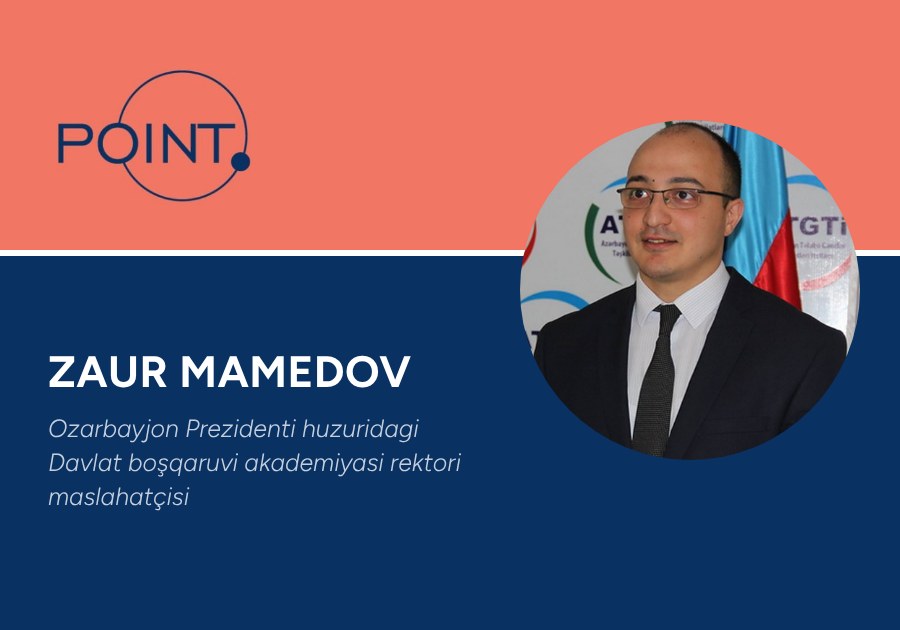
Zaur Mammadov, Adviser to the Rector of the Academy of Public Administration under the President of the Republic of Azerbaijan and Director of the Baku Political Scientists Club Public Union
Political and economic developments in Central Asia and the South Caucasus are reshaping Eurasia's geopolitical landscape. Changes in the international order, emerging economic centers, and new transport routes are creating opportunities for regional states. Cooperation between Central Asia and Azerbaijan is therefore acquiring greater strategic significance.
Uzbekistan's reforms, economic modernization, infrastructure projects, and expanding international engagement are strengthening its regional role. Relations between Azerbaijan and Uzbekistan have also entered a new stage. Mutual trust and a shared strategic outlook between Presidents Ilham Aliyev and Shavkat Mirziyoyev have contributed to this development.
Historical trade routes, culture, literature, and spiritual values connect the peoples of these countries. Today, these links are gaining a new geopolitical dimension. In the author's view, Azerbaijan's restoration of territorial integrity has helped create additional opportunities for cooperation between the South Caucasus and Central Asia.
The Middle Corridor, transport connectivity, energy security, and regional integration are particularly important. They can help diversify trade routes, broaden economic partnerships, and improve access to international markets.
Yet cooperation extends beyond economics. Protecting national interests, strengthening sovereignty, and maintaining political independence require regular coordination with trusted partners. Cooperation between Central Asia and Azerbaijan, as well as mechanisms within the Organization of Turkic States, can provide important platforms for political dialogue and mutual support.
Regional states should not merely adapt to changes in the global order; they can take an active role in shaping Eurasia's emerging framework for cooperation. A common past alone cannot guarantee a shared future. Political will, strategic vision, and the ability to translate common interests into tangible results will determine the strength of long-term partnership.