

Experts Discussed Citizens’ Engagement in the Allocation of Participatory Budget Funds
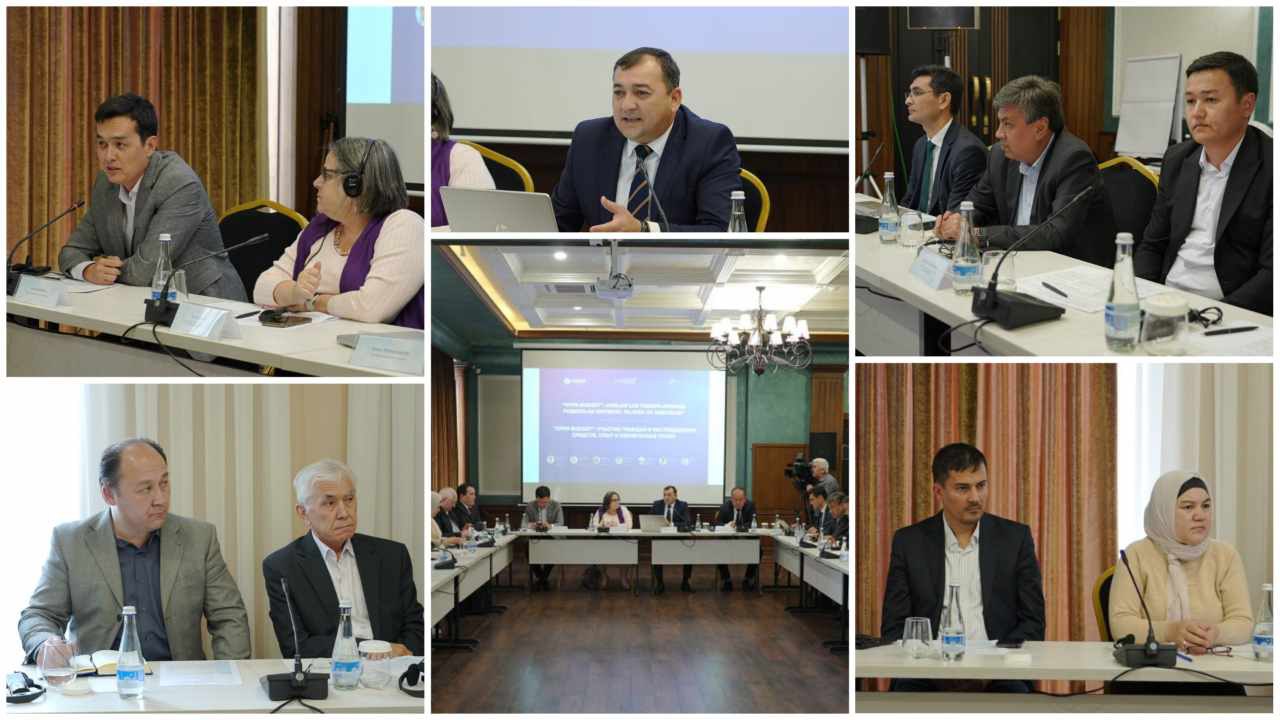
Citizens’ engagement in the distribution of funds allocated as part of the "Open Budget" project took place in Tashkent on October 26. "Experience and Lessons Learned was in the focus of the international public discussion.
At the event, domestic and Kazakh experts discussed the national and international experience in leveraging the participatory budget mechanism, as well as the results of the monitoring conducted by the Nationwide Movement "Yuksalish".
As noted, the participatory budget mechanisms introduced in Uzbekistan in 2019 have been positively received by the general public. When the opinion of the citizens was studied, they expressed their satisfaction that they are directly participating in the distribution of budget funds, and that they are able to make the lives of their children and neighbors more comfortable and better.
The funds allocated to participatory budgeting, and the project proposals are increasing year by year. For example, in 2019, there were 28,700 proposals, and in 2022, they reached 69,700. At the same time, the number of projects selected for financing is also increasing.
This year, the programs "Prosperous village" and "Prosperous neighborhood" have been implemented through participatory budgeting processes based on public opinion. Funded activities within the programs are determined by citizens' votes on the "Open Budget" portal (openbudget.uz).
Also, the "My Way" project was launched on the portal in order to ensure that at least 50% of the funds planned for the repair of regional internal roads in the district (city) budgets are directed based on the opinion of citizens. More than 312 billion soums have been allocated for this year's season.
In addition, a special @ochiqbudjetbot is operating on Telegram in order to expand voting opportunities and create convenience for citizens in participatory budget processes. Through the bot, citizens can vote for the project they are interested in. On the "Open Budget" portal, it is possible to monitor online the status of the funding of the winning proposals, including the accounts opened for the financing of proposals, allocated funds, their spending and balance information, executed contracts and payment orders. it is possible to follow directly.
It was noted at the event that there are a number of cases that have a negative impact on the mood of the population during the implementation of the "Participatory Budget" projects. For example, there are shortcomings in the financing of the winning projects, and in the timely and high-quality execution of the specified works. In this regard, the Nationwide Movement "Yuksalish" conducted surveys in 135 objects throughout the republic. In particular, as of September of this year, work on 16 objects was performed in poor quality, work on 12 projects was not completed, funds were not allocated or insufficiently allocated for the projects that were declared winners in 7 objects and it was determined that the funds allocated for 5 objects were not enough to completely eliminate the existing problems.
At the event, the participants touched upon the cases of teachers being forced to collect votes for the projects of strengthening the logistical capacity of schools, or implementing reconstruction works within the framework of the "Participatory Budget". In an anonymous survey conducted on this issue, it was found out that 15% of the respondents were assigned the task of collecting votes for "Participatory Budget" projects by the administration. According to the President's decision, coercion to vote is classified as forced labor.
In the future, it is desirable to study the international experience in order to further improve citizens’ engagement in the distribution of budget funds and not to repeat the observed shortcomings. In this regard, representatives of the USA and Kazakhstan participated in the event and shared their opinions.
At the end of the discussions, appropriate recommendations were developed for expanding the scope of projects to be consulted with citizens, and improvement of the "Participatory Budget".
This event was organized with the support of the Eurasia Foundation within the framework of the "Social Innovations in Central Asia" program funded by the United States Agency for International Development (USAID). The program envisages the creation of an "Open space" for the constructive dialogue of the representatives of regional civil society institutions and experts, as well as holding a series of public discussions on current topics.
Press-Service of the Nationwide Movement "Yuksalish"