

Stop Playing a Doctor, Or Why Drug Advertising Should Be Limited
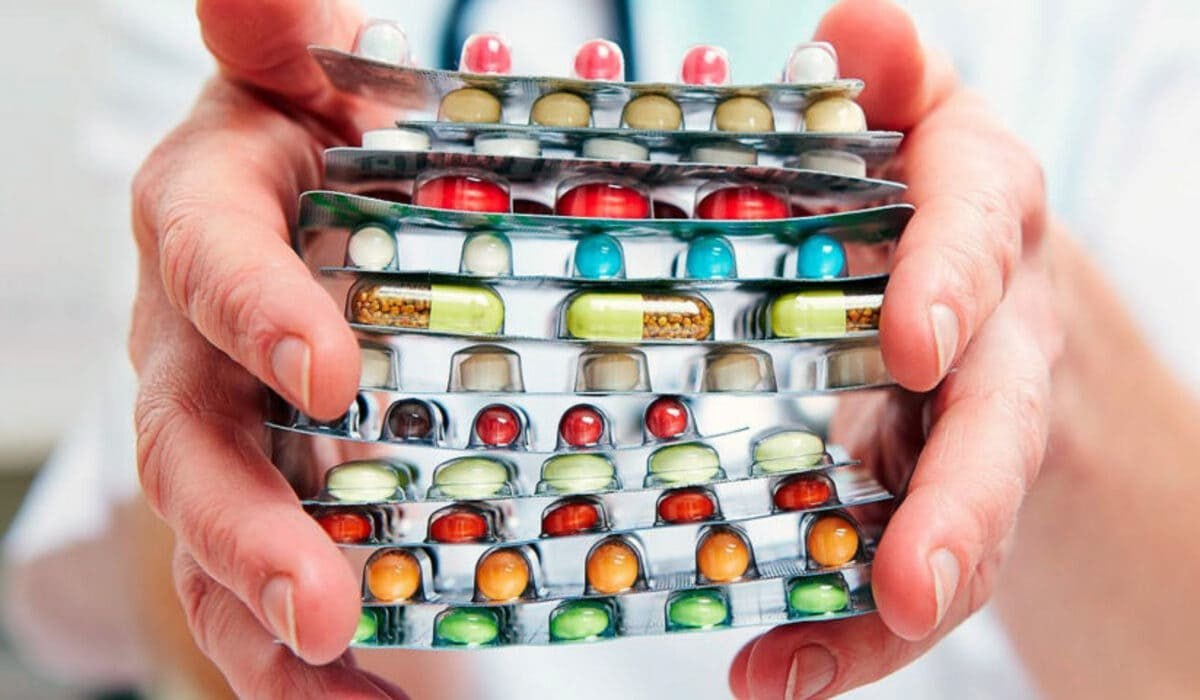
The tragedy of children’s deaths after treatment with the "Doc-1 Max", which deeply saddened the nation, pointed out to a number of problems remaining in healthcare and pharmaceutical systems. The Nationwide Movement "Yuksalish" believes that only an integrated approach and the involvement of all stakeholders can help prevent such situations in the future.
What has to be done?
First of all, we believe in the need to reconsider the situation with uncontrolled drug intake.
Because citizens more often consult with a pharmacist what medicine to take in a given situation, and not with a doctor. Easy access to a wide range of medicines without a doctor's prescription creates the risk of inappropriate use of medicines.
Studies around the world show that, on average, 10-20 percent of hospitalized patients experience side effects, with rates twice as high in developing countries.
Please note that in 2008-2018, 2,300 applications were registered in Uzbekistan due to worsened state after self-treatment.
We believe that, firstly, it is necessary to ban direct advertising of medicines in the media. There is similar international practice, which implies that medicines can be advertised only with the permission of the Committee for the Development of Competition and Consumer Rights Protection. In the future, we propose consideration of banning direct drug advertising in the media, as well as studying relevant experience of Turkey, Switzerland, Canada and other countries.
According to the WHO, drug advertising contributes to an increase in uncontrolled use of drugs and self-medication. Self-medication ranks fifth in terms of mortality, behind injuries, diseases of the circulatory system, oncological and pulmonary diseases.
Consumers underestimate the risks of side effects from the use of medicines, their compatibility, and the individual reaction of the body.
The situation is further aggravated by the attitude of buyers to medicines as ordinary consumer goods. This issue is relevant for Uzbekistan, where on average there are 25-27 pharmacies per 100,000 people.
Second, we propose toughening liability for violation of legislation on the advertising of medicines.
Last year, the Law “On Advertising” was adopted in a new edition. Despite the fact that it defines clear procedures for advertising medicines, we observe daily violations of the law on television, radio and other types of ads. We see that pharmaceutical companies turn a blind eye to the requirements of the law.
According to the Code of Administrative Responsibility, violation of advertising legislation is subject to a fine of up to five basic calculation value. However, there is no liability for violation of the norms and requirements of the legislation related to the advertising of medicines. For this reason, we believe that the Code of Administrative Liability should be supplemented with a separate rule providing for the imposition of a fine of 20 to 50 basic calculation value for violation of the requirements for advertising medicines. Violations that led to serious consequences (damage to health, loss of life) should be the ground for criminal liability.
A study of the experience of Italy, Switzerland, Canada, Japan, Finland, Germany, Hungary, Great Britain and other countries showed that, in order to solve the problem of self-treatment, they took decisive measures to tighten the legislation on advertising medicines.
Third, it is important to strengthen liability of manufacturers, importers of medicines and certifying authorities.
As reported, the preliminary investigation established that the authorized persons of the Scientific Center for Standardization of Medicines LLC roughly violated the requirements of regulatory documents when conducting laboratory studies of Doc-1 MAKS and Ambronol. As a result, low-quality drugs were permitted for selling. Therefore, we consider it appropriate to include in Article 186-3 of the Criminal Code the persons who have allowed the distribution of low-quality, counterfeit and inappropriate medicines.
Fourth, it is necessary to ensure citizens’ access to modern diagnostics at walking distance, and transition to medical insurance, which is built on uniform standards of treatment. People often go for self-medication, take various drugs, focusing on advertising, not knowing the exact diagnosis. Mistakes also occur at the stage of prescribing drugs by doctors, some of whom, unfortunately, are financially interested in promoting certain drugs. Therefore, it is necessary to move to the system of insurance medicine as soon as possible.
Fifth, it is necessary to ensure openness and transparency in the pharmaceutical industry. The public has the right to know what drugs are imported, who are the manufacturers, their reputation abroad, how the certification process is carried out. It is necessary to form an open database with access to information about the pharmaceutical industry that affects the interests of the general public. It is important to speed up the process of mandatory digital labeling on all types of drugs sold. Thanks to labeling the customer can verify the authenticity of the medicine.
The Nationwide Movement "Yuksalish" calls on parliamentarians, authorized ministries and departments to take immediate action, medical institutions and pharmaceutical industry institutions to prioritize not commercial, but public interests.
Press Service of the Nationwide Movement Yuksalish